Pine Needle Tea
When pine needles slip into hot water and the first curl of steam begins to rise, the room quietly rearranges itself, and for a breath or two it feels as if a small forest has stepped indoors, bringing with it the sharp sweetness of cold air and the memory of long horizons.
The scent moves first, bright and resin rich, catching at the edges of awareness, polishing the pathways of the breath, loosening something that had grown tight and unnamed in the chest, and this simple meeting of tree and water starts to feel like a threshold.
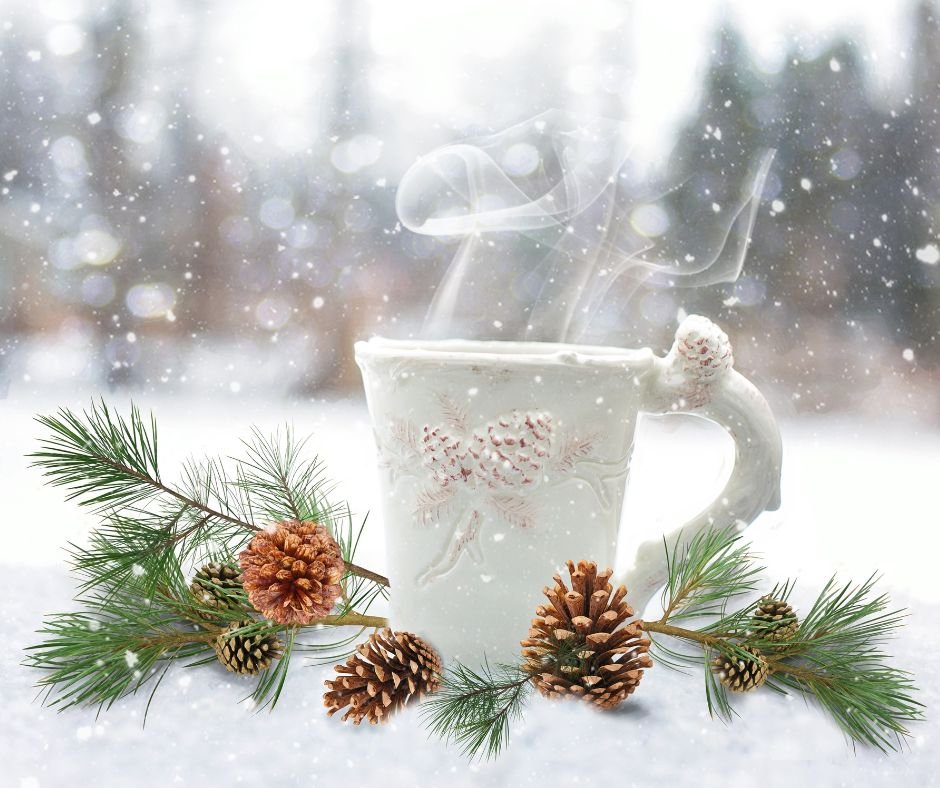
In the cup, a branch leans into heat, tiny green blades softening, colours opening, and as you lean closer the surface of the tea becomes a kind of mirror, reflecting back a quieter version of yourself, one that remembers slowly walking under pine and sky.
Pine is a tree of long endurance, holding its colour through the stripped light of winter, standing in storms with its slender needles still lifted to the wind, and this steady greenness lives inside the medicine it offers.
Within those needles, there is a brightness that speaks in many languages at once, in vitamins that support immune strength through the dim months, in plant compounds that help the body meet the strain of illness and fatigue, in aromatic oils that carry their own kind of clarity into the lungs and blood, inviting movement where heaviness has settled and gently encouraging warmth in places that have grown cold and slow.
For generations across northern lands, people have turned to pine as a winter ally, preparing infusions for coughs that cling to the chest, for fevers that leave the spirit dull, for the scurvy that once haunted long journeys by sea, and these cups from branch and needle have travelled quietly through many cultures, passed between indigenous healers and sailors on hard seas, between mountain villagers and forest dwellers who knew that the evergreen carried a store of vitality when other plants lay sleeping.
Healers have spoken of pine as opening to the breath, softening thick mucus, easing the ache of sinuses that have forgotten how to drain, soothing tired muscles with baths scented in resin and steam, supporting the body as it clears what no longer needs to be held, and underneath all these uses runs an unseen river of qualities that feel both strengthening and cleansing, protective yet gently awakening.
In some traditions, pine has been honoured as a companion for long life and clear spirit, a tree that gathers the high, bright energy of hillsides and thin mountain air and holds it in each needle, and even without words for such things the body often senses this, recognising in the taste of the tea a feeling of width and height, as if the inner landscape has quietly grown taller.
When the time comes to prepare the tea, the act of gathering can become part of the medicine, a slow walk among trees, a soft greeting, a careful choice of a healthy branch from a species you know well, taking only a little from each place so that the tree’s life continues untroubled, letting your hand learn the texture and arrangement of the needles.
Back in the quiet of a kitchen, the needles are rinsed, perhaps cut into smaller lengths so their oils can slip more easily into the water, and the kettle begins to murmur, reaching a heat just beyond boiling, hot enough to coax fragrance from resin, gentle enough to keep the more delicate gifts alive, while the cup waits like a small open clearing.
When water finally meets pine, there is a moment of stillness, then a slow stirring, needles floating and sinking, threads of colour loosening into the clear liquid until it shifts toward a tender green or pale gold, and as it steeps, the air grows thick with forest, with hints of citrus, with something that feels like the breath of high places, and this waiting time becomes its own invitation to pause, to sit, to feel the warmth cross the palms and seep into the bones of the hands.
When the first sip arrives there is often a bright, slightly tart sweetness, a subtle bitterness that wakes the tongue, followed by a trail of warmth that travels down into the chest and settles there like a small lantern
Drunk slowly, pine needle tea can become an embodied practice, a way of listening to the body’s response, of noticing how breath shifts, how the mind clears or softens, how the shoulders remember to lower, a way of letting the boundaries between inner and outer forest blur for a while, as if your own ribs were a ring of trunks and your lungs a clearing filled with cool, fragrant air.
Respect moves through this ritual as well, respect for accurate identification and for the knowledge that some tree relatives are not suited for the cup, respect for particular life stages in which pine may ask for caution, such as pregnancy or complex illness, respect for the body’s own signals which may whisper yes or no long before any book speaks, and this listening becomes another layer of alchemy, turning information into relationship.
When the last warm swallow has passed and only damp needles remain at the bottom of the cup, the presence of the tree often lingers, in the breath that feels a little clearer, in the mind that feels a touch more spacious, in the subtle sense that the day has opened by a small yet meaningful degree.
You might sit for a while with the empty cup resting in your hands, remembering forests you have walked, remembering the particular quiet that gathers under tall pines, where the ground is soft with fallen needles and the light is sifted and patient, and you might realise that the tea has carried a portion of that atmosphere into your own body.
Pine, with its steady green through winter, its shelter for birds, its long witness to storms and thaws, reminds something deep inside that endurance can be gentle, that strength can smell of resin and sun on bark and need not shout, that healing can arrive in the simplest forms, such as a branch offered to hot water and a human being willing to sit and taste and breathe.
In returning to this tea through the seasons, the relationship deepens, each cup another quiet conversation with an old being who stands rooted in earth and open to sky, and over time the practice may entwine remedy and kinship, a way of remembering that even in the lean months, there is still green life moving, still fragrance rising, still a patient, evergreen heart beating at the centre of the wider world, and that this heart is willing to share its rhythm with you, one slow sip at a time.