A Conversation with Anthony OConnor
When I sat down with Anthony, as always a pleasure, I didn’t realise what was about to unfold. Again, these kinds of conversations are so transformative that I can feel in my clinic today blossoms of compassion towards both my client and myself, that were seeded in the words that follow.
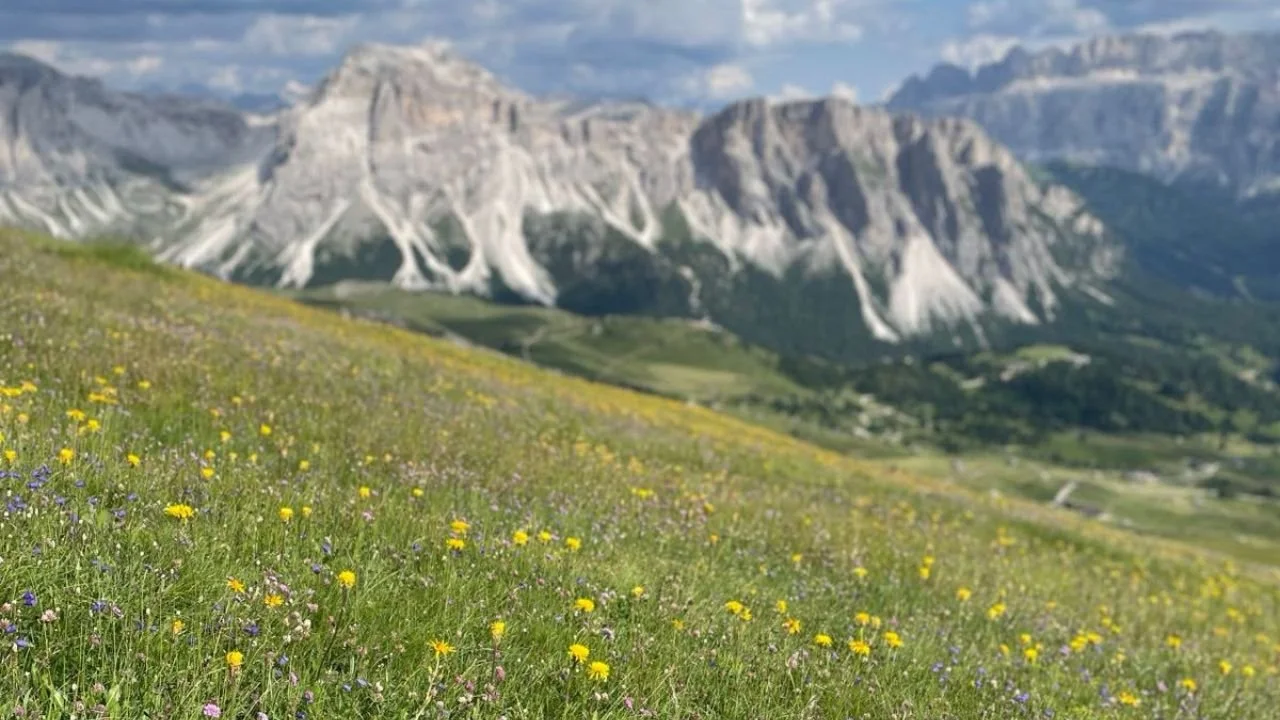
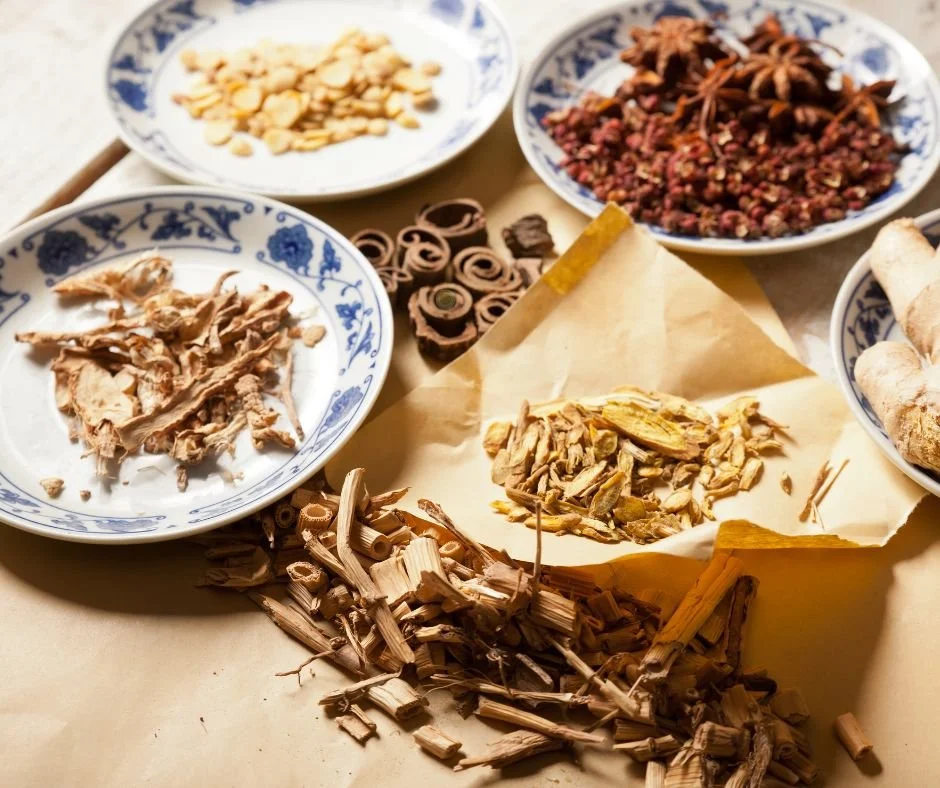
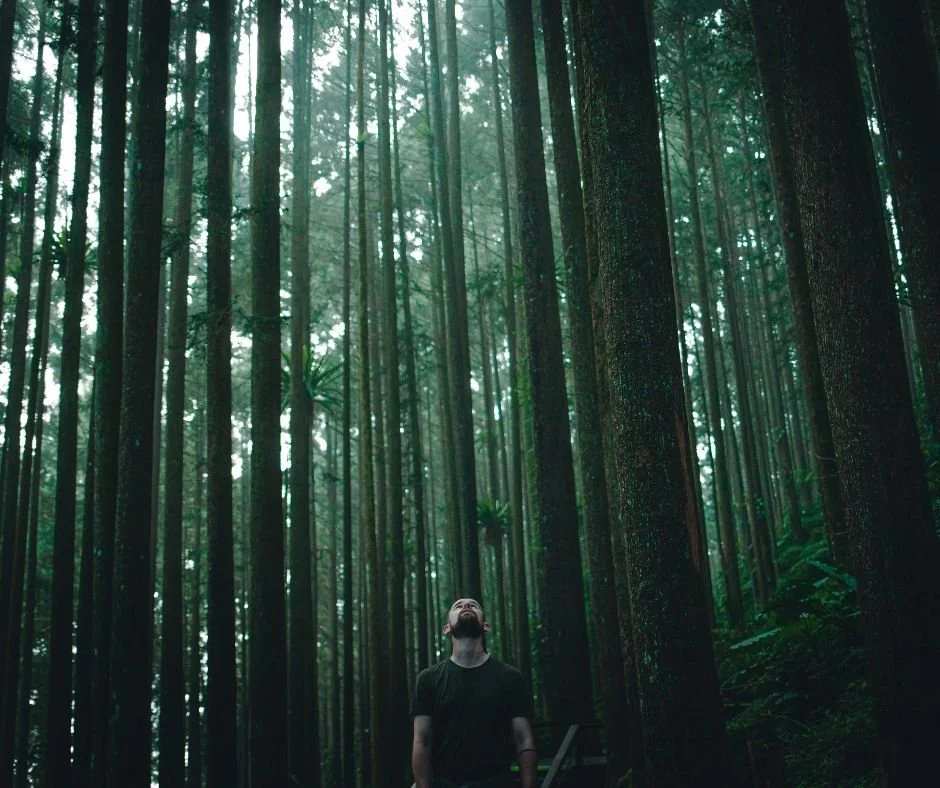
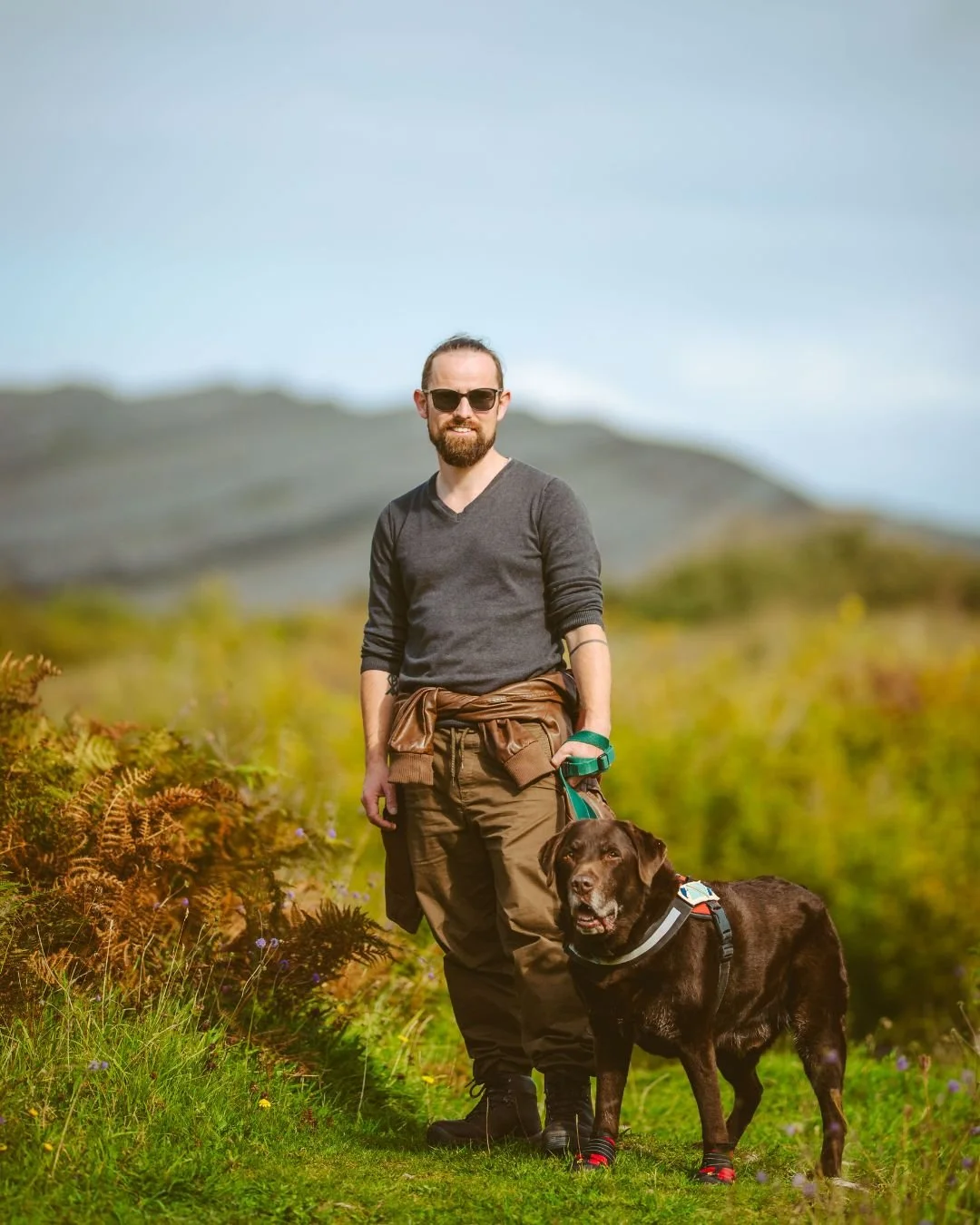
Anthony generously provided the images to go with this interview. To me, his photography is infused with the kind of vision that frames the world with a profound sense of seeing and kindness, which is truly moving...
I always appreciate your insights, and especially recently as you were talking about the concept of balance, and it really resonated. I often find myself pushing at full speed only to crash and wonder why I'm on this relentless path. Over the past year, I've been actively addressing this issue with guidance from various sources, including Lao Tzu’s writing. From his work, I came across two quotes - one suggests that the more you give, the more you receive, emphasising the abundance generated through generous giving.
On the flip side, there's the notion that someone who consistently strides forward at a fast pace may struggle to maintain that momentum.
I’m curious to hear your thoughts on what balance means to you.
My teacher, Dr Feng Ning Han, used to maintain that nature doesn't really go out of balance. There's no such thing as being out of balance; instead, Nature finds a new equilibrium. For instance, if you're walking upright and suddenly crash to the floor in a puddle, that becomes the new balance, and in that moment of unconsciousness, you are perfectly balanced, in the way that is needed in that moment.
I often use the example of seesaws at a playground. If there are two seesaws, and one is level while the other is tilted with one end on the ground, which one is in balance? Well, both are in balance; it's just that one is more useful to us. We need to be careful about how we look at these these things.
When discussing things being in or out of balance, judgments can sometimes creep in. For instance, someone might say, 'I got sick because I didn't manage my energy or practice mindfulness. If only I had done the 50 things that Instagram recommends, I would be fine.' However, the balance of nature is highly dynamic, and we need to adapt and roll with it.
I love the compassion that I’m hearing here. I’m having an emotional response because, even when posing the question to you, I judged myself… saying I was going too fast, crashing, and letting myself down. Is there a particular aspect of compassion that resonates with you?
Yeah, for sure. I think guilt, shame, and self-judgment are the enemies to healing first of all, so initially it’s impractical. Mindfulness, again with a bunch of caveats… it’s great, but it seems to have been somewhat weaponised by corporations and social media. ‘You got stressed because you didn’t do mindfulness, and you got sick because you got stressed and it’s all on you’… The narrative often places the entire responsibility on individuals, overlooking external factors like job demands, pre-existing health conditions, environmental issues, and the pressures of daily life.
Doing your best is truly admirable. Mindfulness can be beneficial if it works for you, but balance is multi-faceted.
Consider the Liver Qi, for instance; the Qi of almost all of our organs descends, Heart Qi, Lung Qi, everything descends except for two; Spleen Qi holds, having an ascending and holding aspect, a bit more Yin, a bit more feminine. Then Liver Qi fires upwards, with tremendous force, the last of the six stages bringing the Qi from your big toe all the way up to 'Bai Hui.' It's crucial to work with it.
Mindfulness and balance, which is about avoiding extremes, may not always support Liver Qi. Sometimes you need a blowout. This explosion of Liver Qi, an expression of the wood element, can change not just you but your environment as well. While it might seem intimidating, this release of energy, akin to revolutions driven by anger, contributes to radical social change.
This really resonates with me as I've had experience with chronic fatigue. There's absolute wisdom in maintaining a steady energy level after an illness and avoiding energy spikes. I appreciate and trust this approach; it's something I'm grateful for. Whenever I've felt my spirits returning and pushed myself too hard, I've experienced a subsequent crash, and it feels like going back to square one. It's dispiriting.
I remember discussing this with experienced therapists I trust, and they reiterated this - the importance of steady energy. In that conversation, I suddenly felt this strong surge of anger, questioning the impact on my spirits. It can be so mundane and isolating, and sometimes I just feel to invest in fun, even if it means that I have a crash afterwards. I understand it's the right advice, and it's what I advise others (and myself) to do – maintain that steady approach. How does this align with your perspective?
You know, this focus on balance, grounding, and mindfulness is relatively recent in the West. When we observe the seasons, aging is like winter, cold and uncomfortable, and spring is explosive, yang-like. The greater balance involves acknowledging the dynamic interplay between forces. Sometimes advising people to calm down and take it easy can be perceived as suppressing emotions and desires, which is something most of us have an unfortunate tendency to do already! If motivation dwindles, it impacts the heart yang. There's a relationship between the Emperor Fire and the Ministerial Fire. Doing nothing and resting can gently preserve the Ministerial Fire but might extinguish the heart fire, the pilot light, the Emperor. The Emperor guides the Ministerial fire, and I interpret the Emperor Fire as being fuelled by joy, happiness, and drive.
It's crucial to have motivators, actions filled with joy, serving the Emperor Fire, subsequently feeding into the Ministerial Fire. This dynamic is distinct from just trudging along without the Emperor Fire, where the Ministerial Fire provides the sole motive force and declines, often quite rapidly. Working for the sake of work, without joy or purpose, can lead to a decline in the supporting fire. Therefore, having a blowout every once in a while becomes essential.
Consider the Liver Qi, for instance; the Qi of almost all of our organs descends, Heart Qi, Lung Qi, everything descends except for two; Spleen Qi holds, having an ascending and holding aspect, a bit more Yin, a bit more feminine. Then Liver Qi fires upwards, with tremendous force, the last of the six stages bringing the Qi from your big toe all the way up to 'Bai Hui.' It's crucial to work with it.
Mindfulness and balance, which is about avoiding extremes, may not always support Liver Qi. Sometimes you need a blowout. This explosion of Liver Qi, an expression of the wood element, can change not just you but your environment as well. While it might seem intimidating, this release of energy, akin to revolutions driven by anger, contributes to radical social change.
It's crucial to have motivators, actions filled with joy, serving the Emperor Fire, subsequently feeding into the Ministerial Fire. This dynamic is distinct from just trudging along without the Emperor Fire, where the Ministerial Fire provides the sole motive force and declines, often quite rapidly. Working for the sake of work, without joy or purpose, can lead to a decline in the supporting fire. Therefore, having a blowout every once in a while becomes essential.
Reflecting on my own experiences, I've found that maintaining high spirits is key during long recovery periods. Getting moving as soon as possible and finding something to spark those spirits. For individuals in recovery, preserving the heart element becomes essential on this challenging and often lonely journey. It's demotivating and exhausting, so your reminder is appreciated. On a related note, would you be open to sharing a transformative experience you've had with one of your clients?
I love the quote that an acupuncturist is a bridge between the Qi of the patient and the Qi of the universe, you know? And the longer I practice, the more I try to stay out of the way of my patients healing, if that makes sense. I try to guide gently.
You made a video about a boggy field, and something happened to my Qi in terms of my fluid physiology.. it was as you were talking, there was this Qi movement quality when you spoke about acceptance that really resonated with me, and it was as though I was having a treatment. What's that about? Is that something that you can throw some light on?
In the old texts, it's said that the most effective healers use words; if that falls short, needles and herbs come into play—there's merit in this perspective. There’s the Huang Di Nei Jing idea that if we’re living in perfect harmony with the environment then we just don’t get sick and that the right words can reveal how to restore harmony. The consultation process holds significant importance, but concerns arise with the prevalent discussion of the placebo effect, which may impact practitioners perspective on the non-material aspects of our treatments. I worry that we as practitioners might become arrogant, dismissing these vital aspects and focusing only on more easily measurable things, like dosages or formulas.
Lately, I've been working on providing advice to patients, a practice that I don't think everyone has to do, but one that I feel essential to my own practice. I try to based the advice on the formula I’m working with. If your diagnosis is on point, you can give lifestyle and emotional advice based on the same diagnosis as the herbs you're prescribing.
In treating a young woman, around 24, for endometriosis, anxiety, and a tendency to be huddled over and afraid to express, I gently explained that the herbs I'm giving her address the deficiency and stagnation associated with endometriosis. The deficiency is there due to kidney and liver blood deficiency, so we're going to build her up there. But this is also a disease of stagnation in the menstrual flow area. The process of building, releasing, shedding, and rebuilding blood should be in harmony. This approach extends to the emotional level. Having support to build you up when you’re low, and the ability to relax and express, without tightening up. This led to an instant emotional release.
I don't want to go too far with the idea that every formula is just energetic, because that’s just one aspect of it. I also spend a lot of time thinking about dosage and toxicity, herbal supply chains, quality, and stuff like that, and that is absolutely vital. But I have had experiences like you were talking about, Malika, where I've come across a formula and realized the subtlety of it and how it's doing what it's doing. One of the big ones for me was probably my favourite formula, 'Ban Xia Hou Po Tang,' which treats Qi stagnation based on dampness with an emotional aspect.
As acupuncturists we’re always taught to move the Qi, as Qi stagnation is Liver Qi stagnation and leads to pain and all these issues. But BXHP Tang suggests otherwise. Something has happened, and the patient can't process it.
Maybe they're overthinking it. A damaged Spleen leads to Dampness, and this Dampness causes Liver Qi stagnation. If you keep moving the Liver Qi, you'll feel better temporarily. Then you'll slide back again and again and again. I identify with that. I've had patients doing every Qi moving practice - tai chi, running marathons, getting acupuncture - but they keep sliding back into illness because the dampness hasn't been addressed. There are profound messages and learning in some of the ancient formulas.
Recently, I've been experimenting with an interesting concept. It aligns with what you mentioned earlier about allowing the healing process to unfold and stepping out of the way. I've noticed an increasing trend where people express concerns about their habits, questioning if they should change things like their coffee consumption or diet. Instead of immediately suggesting changes, I've started encouraging them to change nothing for a couple of months while using herbal remedies. The idea is to observe how the herbs affect their appetites and instincts on various levels.
For instance, if someone craves chocolate and feels guilty about it, considering it harmful, the herbs might address an underlying need. By allowing the herbs to work, the person may find their appetite for chocolate naturally diminishes, and they end up enjoying it without guilt. It's a more holistic approach that recognizes the herbs' multifaceted impact on physical and emotional levels. Sometimes what seems like an unhealthy habit might be a response to an unmet need that herbs can address.
I got a bit lost in my explanation, but essentially, it's about understanding that certain habits, like enjoying chocolate, can be part of one's balance, and the herbs might play a role in restoring that balance.
I came across this insightful phrase about addiction recently: "Don't ask what's wrong with it, but rather ask what's right with it." It made me reflect on how we often question habits like alcohol consumption, coffee intake, or engaging in risky behavior, without considering their underlying purpose. Look at what purpose that behaviour is serving.
Instead of immediately suggesting changes, it's more compassionate to understand the purpose these habits serve. Providing alternatives and observing the impact when the need is addressed can be a kinder approach, acknowledging that change doesn't always happen instantly.
There's a prevailing tendency towards martyrdom, particularly in Western approaches to health, where people adopt restrictive diets out of a belief that suffering is integral to the healing process.
I usually ask my clients to make one change at a time. I find it more beneficial to encourage small, manageable changes, allowing patients a sense of agency. Even if a complete diet overhaul is necessary, I emphasize the importance of enjoying whatever food is available rather than stressing about it. Even if it’s a dirty microwave pizza, the key is to approach it joyously – you don’t need to be miserable.
You mentioned earlier about value chains in herbal supply, can you tell me more about that?
I've been working for a few years now with Herbprime, which led me to discover more about ‘Sun Ten Pharmaceuticals' and their innovative approaches to herb growing and production. I've gathered plenty of footage during my visits to Taiwan, and soon there will be videos sharing these insights. One fascinating story is their initiative with Shi Hu / 石斛 / Dendrobium. It’s a great herb, a restorative Yin tonic, especially good for the kidneys and great for recovery after a long febrile disease. However it’s also an Appendix II CITES herb,so it’s in danger of becoming endangered. Sun Ten found a unique solution to this problem by cultivating it in a symbiotic relationship with native betel nut trees in Taiwan.
This not only revitalises the herb's availability but also gives new purpose to the betel nut trees, ensuring their care and protection.
Dr. Chuang, president of Sun Ten, tried and failed 200 times before successfully establishing this symbiotic relationship. Now, Dendrobium has the potential to be sustainably harvested, benefiting both the herb and the trees, and has been restored to our pharmacopeia.
Stories like this encourage me, especially in contrast to the trend in health food shops where a new ‘superherb’ surfaces every six months, raising concerns about the impact on supply chains and the shift towards monoculture in farming practices.
Chinese herbal medicine, with such a large pharmacopoeia, provides a diverse array of sources. This diversity, I believe, minimises the environmental impact compared to the potential drawbacks of single herb farming practices.
Taiwan has a very good model for herbal export since it follows identical regulatory standards for herbal medicine and pharmaceuticals. There's little differentiation between the two. Companies like SunTen adhere strictly to these standards and supply herbs to Taiwan's National Health Service. Their consistency and ease of storage and preparation make them, in my view, a particularly good choice for patients and practitioners here in Europe. The question of dry herb vs granulated herb dosages often comes up but it’s a misunderstood issue and nowhere near as complicated as people think.
While both methods have their merits, to me the Taiwanese system stands out for its systematic and replicable nature. This consistency becomes particularly crucial given the current tenuous position of herbal medicine in Europe, the UK, and Ireland. Prioritising safety and reliability is paramount in this context. It's essential to acknowledge the appeal of dried herbs as well, and rather than pitting one against the other, recognising the complementary roles they play is key.
There are so ways that people engage with our medicine, from raw herbs to granules, as therapists there are so many engagements styles, is there something about people’s lifestyles that affects how you prescribe herbs?
Something that struck me as I delved into practice is the realisation that, perhaps, we underestimate the impact of our environment on the body and its internal processes according to Chinese medicine.
What became evident was that many of my patients weren't unwell due to personal mistakes, but rather, they were part of systems that essentially abused them. For instance, I have a female patient who has a bully for a boss, making her life miserable, to the point of nervous breakdown. Despite emotional and physical improvements through our sessions, every time she returns to that work environment she regresses.
I find it intriguing that someone who slaps you on the street might end up in prison, but bosses can subject employees to relentless abuse without consequences. There's something amiss there. This curiosity fuels my interest in the impact of Chinese medicine not just on individuals but also on groups and systems. Which is why I’m interested in the Taiwanese model and engaging with herbal medicine suppliers that can operate internationally.
I aspire to see this approach grow, making Chinese medicine more accessible, especially for individuals from disadvantaged backgrounds.
In practical terms, I aim for pragmatism with herbs and advice. I don't prescribe complicated processes like boiling herbs for extended periods, given my client base. Instead, I focus on the smallest piece of advice that could have the most significant impact, avoiding overwhelming patients with things like macro diets.
Many individuals subconsciously sense something is amiss in their lives, manifesting as symptoms like headaches or insomnia.
Encouraging them to explore these deeper issues themselves can be a gentle yet powerful approach. Though I should also point out that while we might often come across complex cases, sometimes, as practitioners, we are simply mechanics. Sometimes our job is to treat simply issues like tennis elbow without needing to unearth deep emotional traumas.
What is one thing you would say to yourself as you started out?
Just hold on tight. You know, I think we all envision ourselves as these great Zen therapists at the start, with noble intentions that will seamlessly unfold throughout our perfect careers. The reality, though, is a bit different. I believe most of us begin for somewhat amusing reasons. We claim we want to help people, but perhaps it's rooted in past experiences or conditioning we need to examine.
Speaking for myself, my journey into therapy began with a genuine interest in China. While I did have noble intentions and a desire to help, the adventure of it, fueled by being a Bruce Lee and Jackie Chan fan, was also a significant draw. Starting out, there's this thing called the Dunning-Kruger effect, where knowing a little makes you feel like you've got it all figured out—until you encounter the complexities, and it feels like falling off a cliff.
This process of ego-checks, constant self-examination, and rebuilding is crucial. It's a cycle that repeats as you face more intricate situations.
The idea that you're ever ‘done’ or have it all figured out is a fallacy. As Andrew Flower noted, it’s very difficult to train a biomedicine doctor but very easy for them to practice, and the reverse is true for herbalists. For us, training is ongoing and endless because every patient is unique. My approach has evolved over time and I
imagine I will be somewhere else with it in five years. I’ve had to make many mistakes and explore many dead-end paths to arrive at this point, but that's all part of the journey I guess. Be kind to others, and yourself, and keep putting one foot in front of the other. And nourish the Emperor Fire at every opportunity.